Blog
KEWAZO at the 29th International Offshore Crane & Lifting Conference
KEWAZO is exhibiting at the 29th International Offshore Crane & Lifting Conference in Amsterdam on April 14–15, 2026. Organised by the Norwegian Society of Lifting Technology, the conference is the industry’s primary meeting point for crane manufacturers, equipment suppliers, service providers, and operators working in offshore and industrial lifting.
For KEWAZO, this is a natural audience. The company’s lifting robot LIFTBOT was built to solve the same problem the conference has discussed for nearly three decades: how to move materials safely and efficiently in demanding industrial environments.
Why KEWAZO is at an offshore crane conference
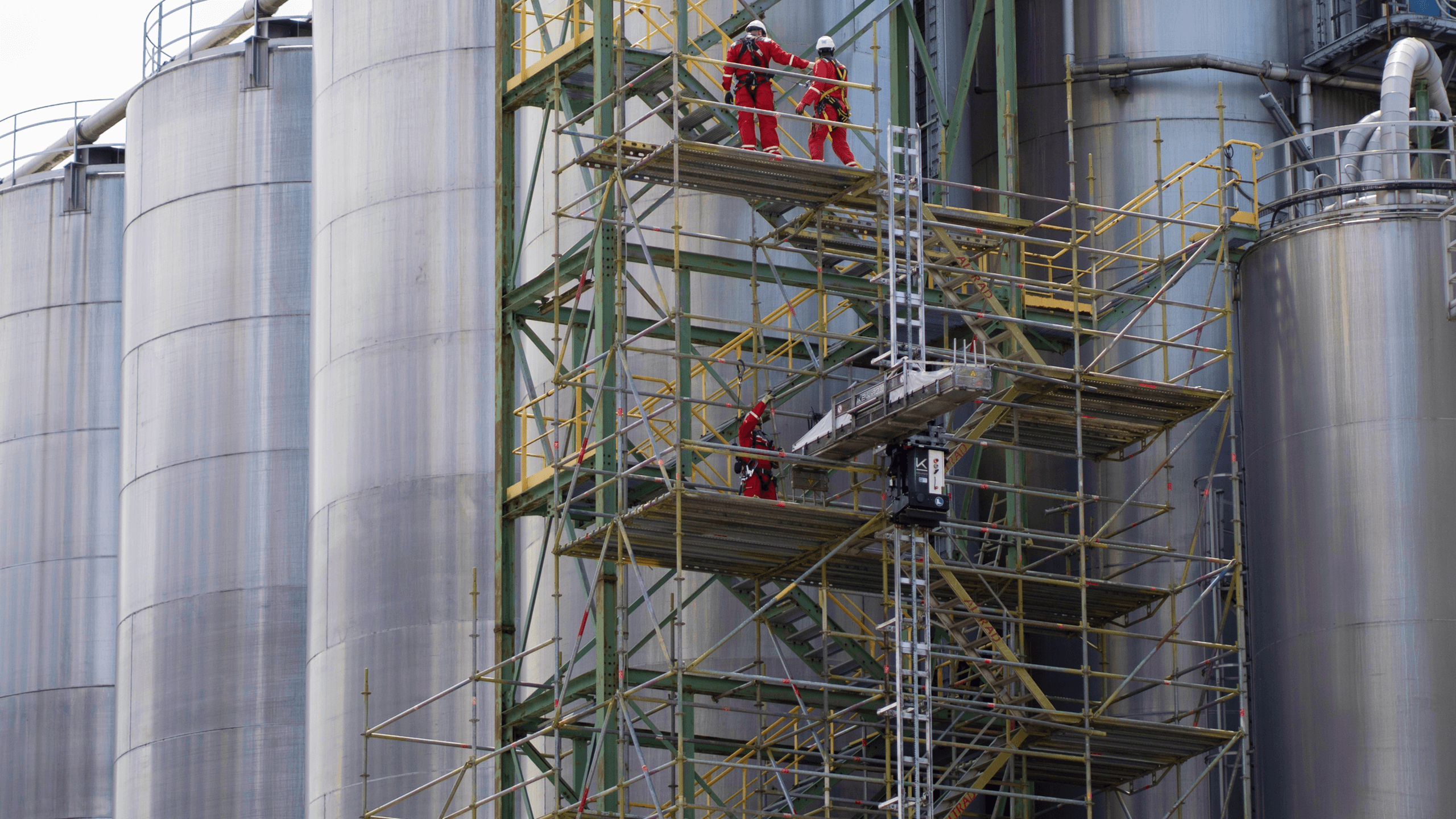
Cranes are central to offshore and heavy industrial operations, and they will stay that way. But on most sites, a significant share of crane time goes to repetitive, medium-weight material transport: scaffolding tubes, steel sections, ventilation ducts, electrical components. These lifts don’t require a crane’s full capability, yet they occupy it for hours, creating scheduling bottlenecks and tying up rigging crews.
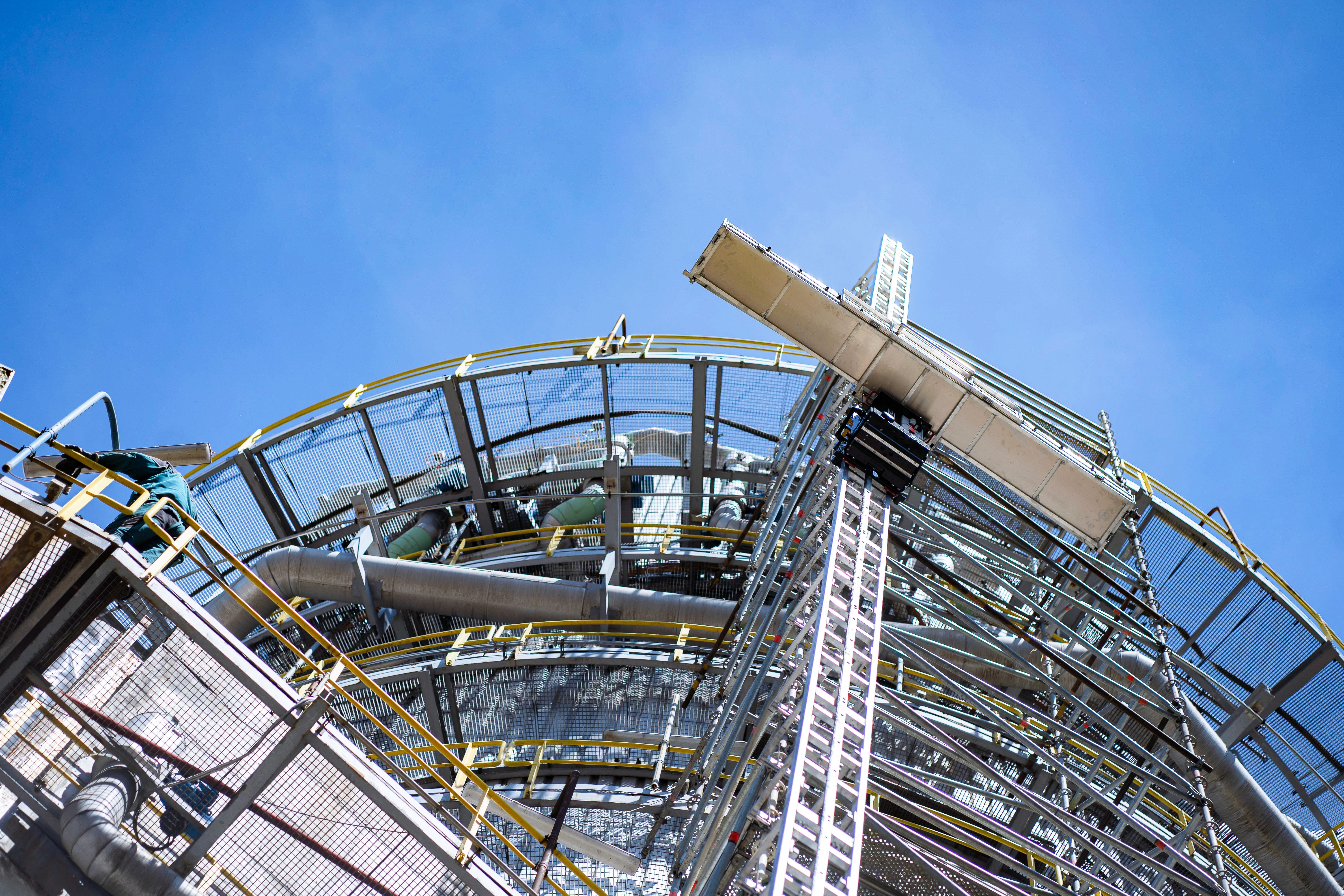
That is the problem KEWAZO was built to address. LIFTBOT is a robotic lifting system that handles this category of repetitive vertical transport without a crane, rigging team, or individual lift plans. A small crew sets up the system in under 20 minutes, and materials start moving immediately. The result is that cranes stay available for the heavy lifts that actually need them.
For an audience of crane operators, asset owners, and lifting specialists, this is not a competing technology. It is a way to get more out of the crane capacity a site already has. That distinction is why the conference is the right place for this conversation.
What KEWAZO is bringing to Amsterdam
In Room 30, the KEWAZO team will walk attendees through how LIFTBOT integrates into lifting operations at industrial sites. Visitors can expect to see deployment data from real projects, including turnarounds at major refineries and petrochemical facilities, and discuss how the system fits alongside existing crane and rigging workflows.
For operators dealing with crane scheduling pressure, labour constraints, or tight maintenance windows, this is a chance to see how other sites have addressed the same problems.
KEWAZO is also presenting its data analytics platform, which captures operational data from every LIFTBOT deployment: lift cycles, material throughput, time per load, and utilisation rates. For operations where lifting activity was previously untracked, this provides a new layer of visibility into site logistics that contractors and plant operators use to document project performance.
Where LIFTBOT is deployed today
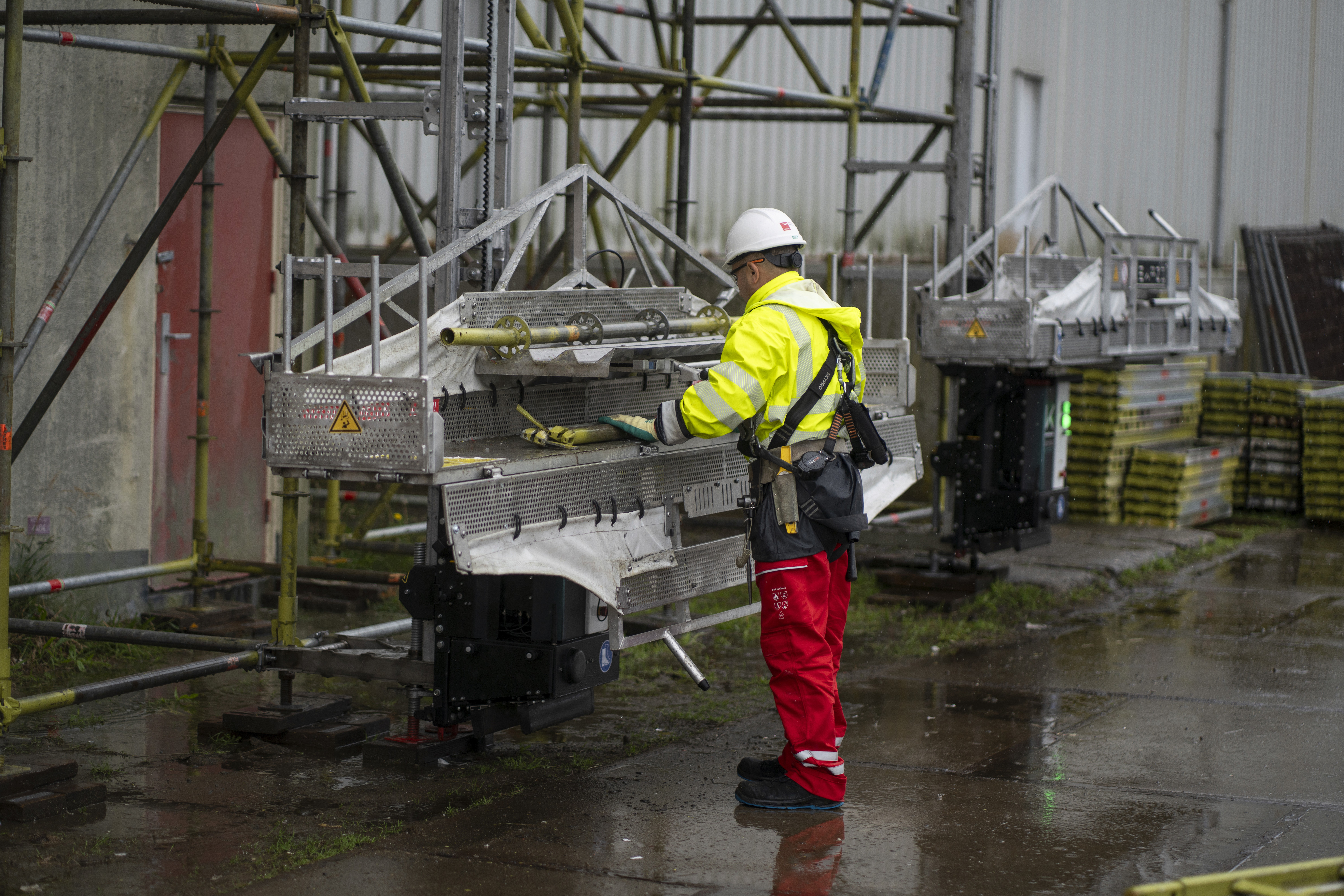
LIFTBOT is operating at more than 20 industrial sites across North America and Europe, including refineries, petrochemical plants, chemical complexes, and power facilities. Asset owners and service providers are using it to replace crane lifts for scaffolding, steel sections, ventilation ducts, electrical components, and other materials that need to reach height. On commercial projects, the system has been used on facades, airports, churches, and hurricane restoration work.
These are not pilot installations. At ExxonMobil Baytown, one of the largest refinery complexes in the United States, LIFTBOT replaced crane lifts for material delivery during a turnaround. With Unique Scaffold, the company reported $40,000 in savings in just 15 days. At the U.S. Capitol, Scaffold Resource used LIFTBOT during the facade reconstruction.
The pattern across these deployments is consistent: sites adopt LIFTBOT because they need to move materials to height without tying up a crane or adding headcount.
Meet KEWAZO in Amsterdam
KEWAZO is exhibiting at the 29th International Offshore Crane & Lifting Conference at the Movenpick Hotel Amsterdam City Centre, April 14–15. Find us in Room 30, or reach out at jonas.lerchenmueller@kewazo.com to arrange a meeting during the conference.