Blog
The 5 Most Expensive Megaprojects Ever Built
Every industry has its record-breakers. In construction, the records are measured in billions. Some of the most expensive projects ever completed took decades to build, went wildly over budget, and reshaped entire regions in the process. A highway network that cost more than most countries' GDP. A laboratory that was assembled in space, piece by piece, with no crane in sight. A tunnel through Boston that ended up costing ten times what was planned. We collected five of the most expensive megaprojects ever completed and looked into the stories behind them.
The Interstate Highway System cost $459 billion
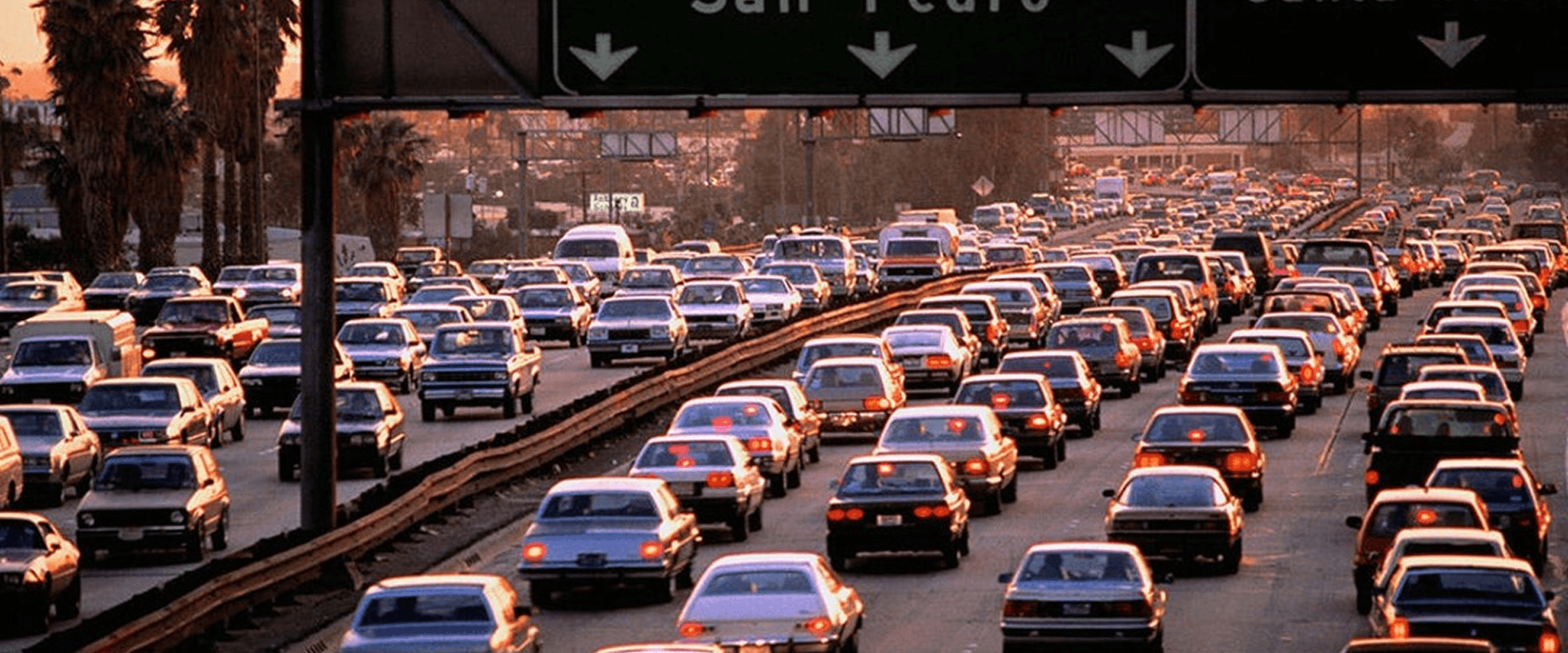
The U.S. Interstate Highway System is the most expensive megaproject ever completed. In inflation-adjusted dollars, the total cost sits around $459 billion. President Eisenhower signed the Federal Aid Highway Act in 1956. The original purpose was military: moving equipment across the country and evacuating cities in the event of a nuclear attack.
35 years of construction produced over 47,000 miles of highway connecting every major American city. The defense rationale faded, but the network became the country's primary freight corridor. Today, it carries 90% of all U.S. freight traffic.
The International Space Station cost $150 billion to assemble in orbit
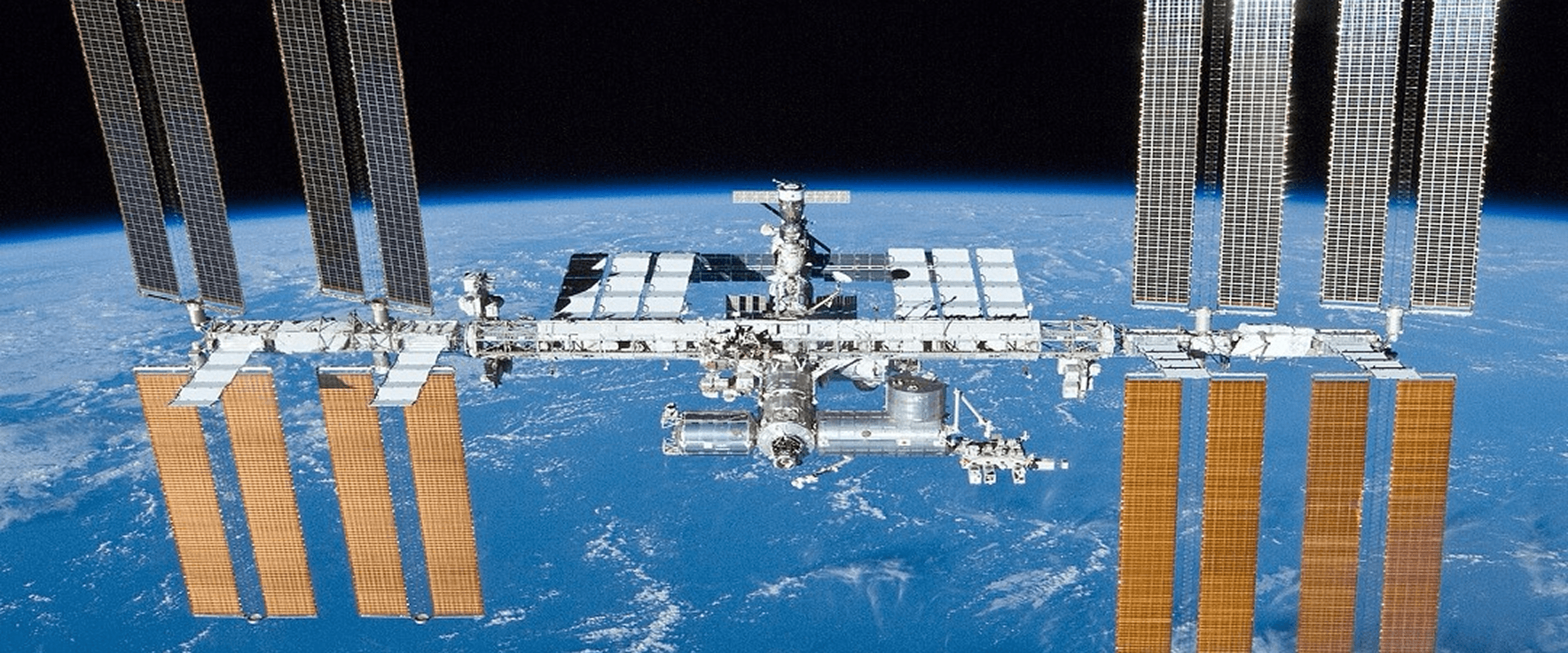
The International Space Station is the most expensive single structure ever built. Fifteen nations contributed to its roughly $150 billion price tag. Construction started in 1998 and took 13 years. Every module was launched into orbit and connected by robotic arms and astronauts in spacesuits. No cranes. No scaffolding. No ground beneath it.
More than 40 missions were needed just to deliver and attach the major components. The station orbits Earth at 28,000 km/h. At that speed, a loose tool becomes a projectile. Building in that environment meant every material handling problem had to be solved from scratch.
The Three Gorges Dam used 27 million cubic meters of concrete
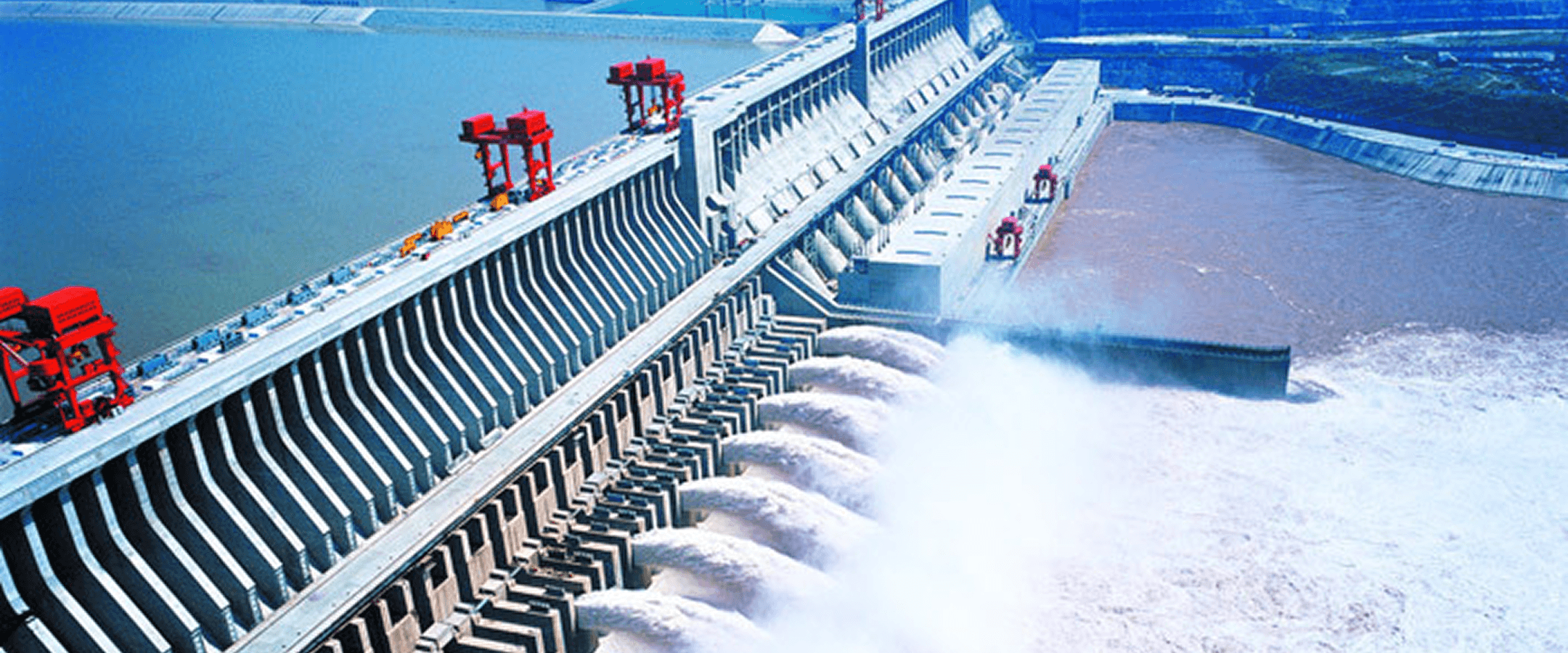
The Three Gorges Dam on the Yangtze River in Hubei Province, China, cost approximately $31 billion. Completed in 2006 and fully operational by 2012, it is the world's largest hydroelectric power station at 22,500 MW of installed capacity.
27.2 million cubic meters of concrete went into the dam, enough to pave a sidewalk around the Earth twice. The reservoir behind it stretches 600 km upstream. Building it meant relocating more than 1.3 million people and flooding 13 cities, 140 towns, and over 1,300 villages.
The Big Dig went nearly 10x over budget
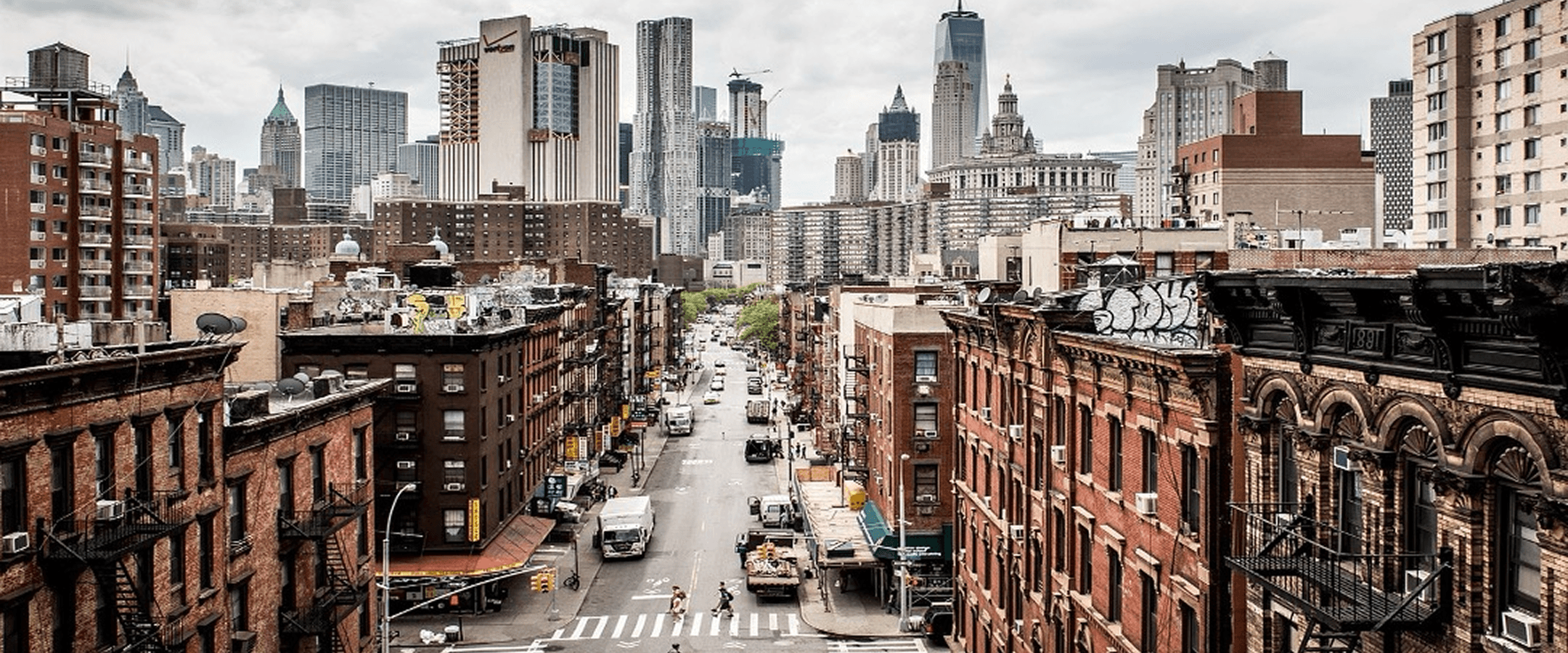
Boston's Central Artery/Tunnel Project, known as the Big Dig, started with a $2.5 billion budget in 1985. It finished at $24.3 billion. The project took 15 years, rerouting the city's elevated central highway underground and replacing it with tunnels, ramps, and public parks.
Scope changes, geological surprises, environmental requirements, and contractor disputes piled up over the years. The physical work was enormous: the reinforcing steel used in the project, laid end to end, would wrap around the Earth. The Big Dig became a textbook case in infrastructure planning for how fast costs can run when scope keeps changing during construction.
The Channel Tunnel was bored from two countries at once
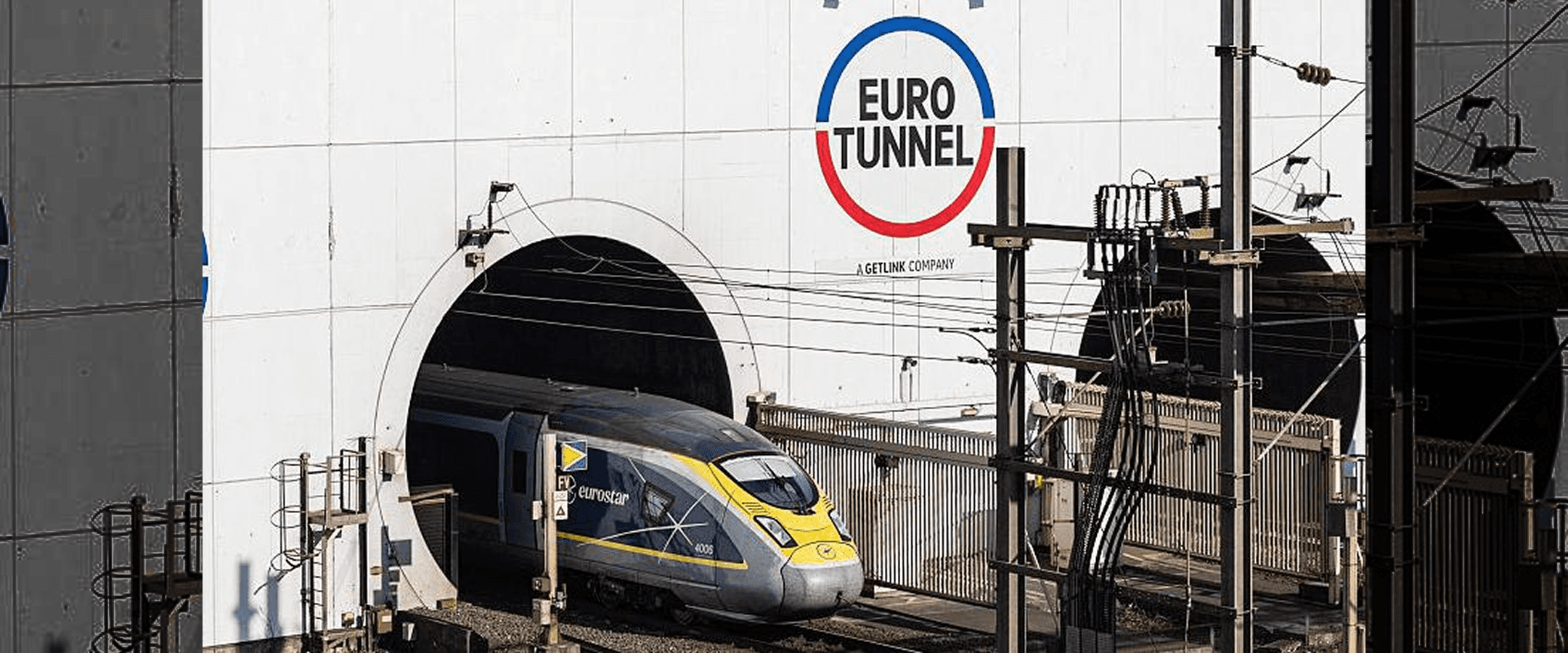
The Channel Tunnel between the United Kingdom and France cost approximately $21 billion in inflation-adjusted terms. Completed in 1994, it is still the longest undersea tunnel in the world at 31 miles. 13,000 workers spent six years boring from opposite sides of the English Channel and met at a precise point beneath the seabed.
The tunnel boring machines weighed roughly 1,000 tonnes each. When the job was done, they were left underground. It would have cost more to remove them than to abandon them. Today, the Eurostar carries millions of passengers per year through it.
What these five projects have in common
Together, these five megaprojects cost more than $685 billion. They were built in orbit, underground, underwater, and across entire continents. The budgets, timelines, and teams were different in every case. But one thing was the same: each project depended on moving large quantities of material to the right place, at the right time, in conditions that made that job very difficult.
That problem does not go away at smaller scales. Every industrial site, every turnaround, every scaffolding job faces the same question: how do you get material where it needs to be, safely and on schedule?
About LIFTBOT
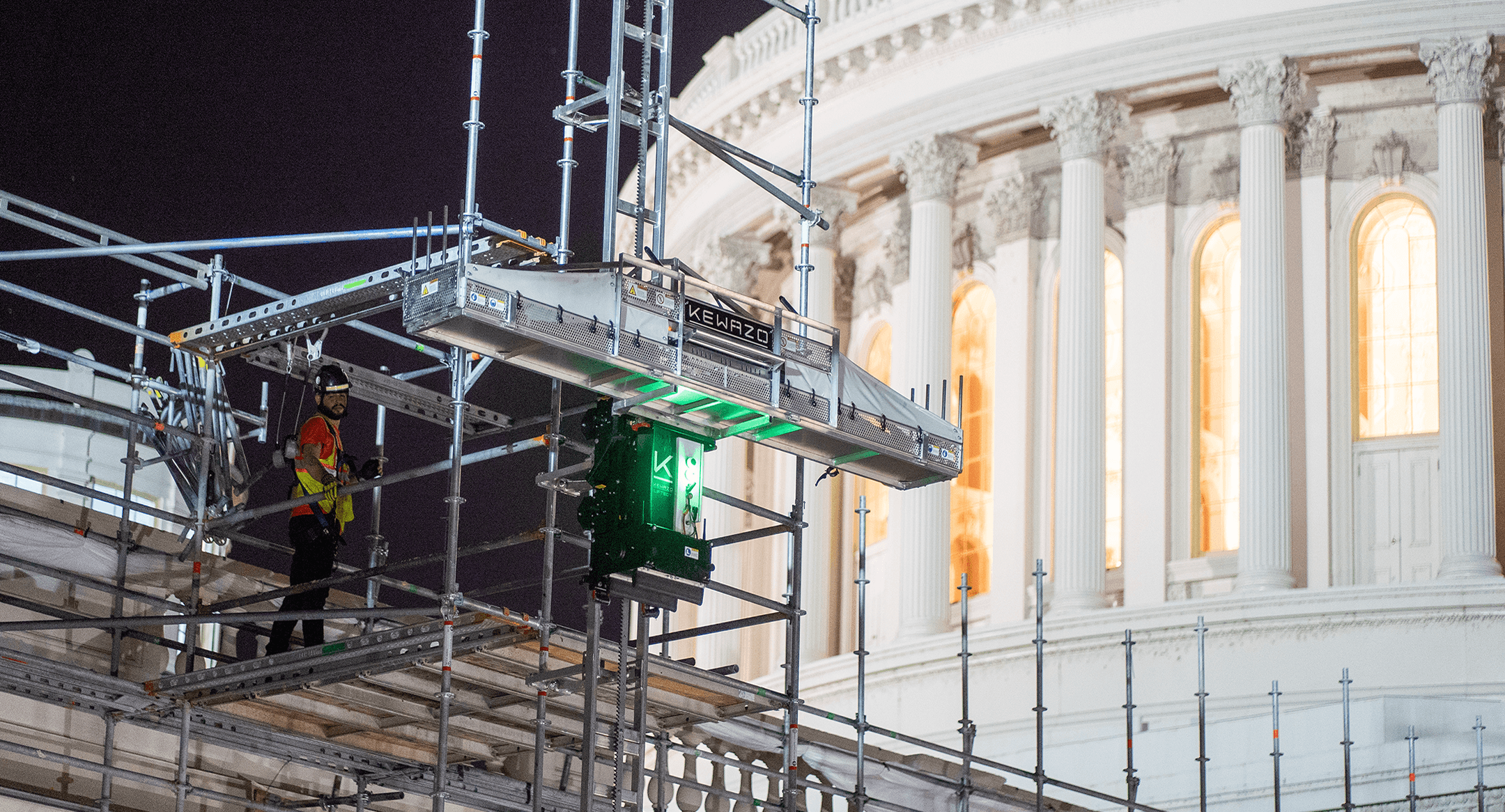
LIFTBOT is KEWAZO's robotic lifting system for construction and industrial sites. It handles vertical material transport that traditionally requires full manual passing chains, reducing crew sizes and keeping schedules on track. LIFTBOT is deployed at sites across North America and Europe, including projects with ExxonMobil, Chevron, Shell, and LyondellBasell.
See how it works on real sites: KEWAZO case studies.