At a time when industrial operators across Europe are facing persistent labour shortages and rising safety expectations, automation is increasingly being viewed not as a technological experiment, but as a practical response to structural challenges in industrial maintenance.
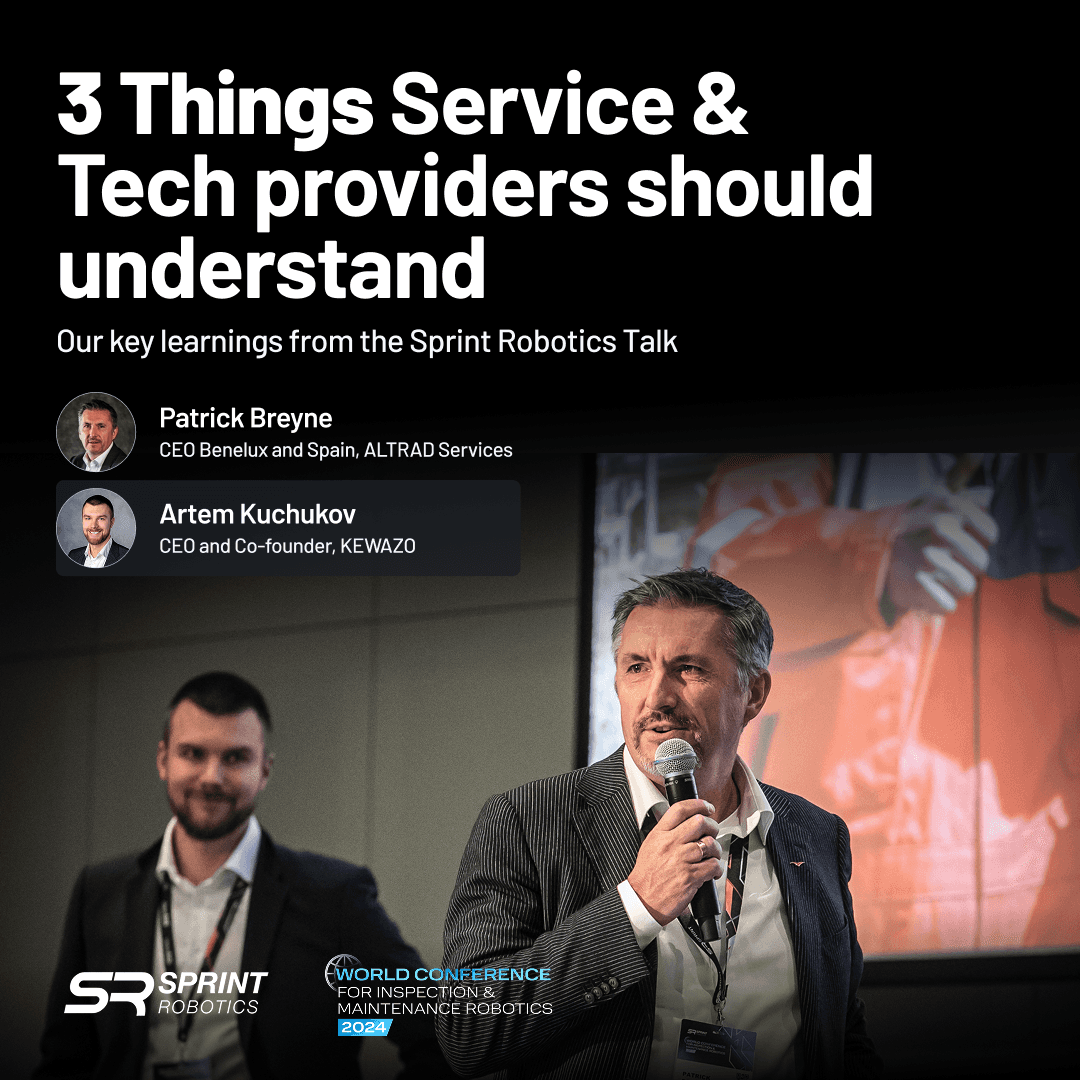
Speaking during a recent industry dialogue at the World Conference on Inspection & Maintenance Robotics 2024, Patrick Breyne, CEO Benelux and Spain at ALTRAD Services, highlighted the growing gap between traditional site practices and the realities of today’s workforce.
“Skilled blue-collar workers are becoming harder to find across the globe,” Breyne noted.
“When they are available, it’s essential that we offer roles that are safer, more meaningful, and better supported by technology.”
According to Breyne, automation can play a critical role in making industrial maintenance more attractive to younger professionals, particularly when combined with established trades such as scaffolding and plant services. By reducing physical strain and repetitive manual tasks, automation allows workers to focus on higher-value, skilled activities.
Rethinking crane dependency in industrial plants
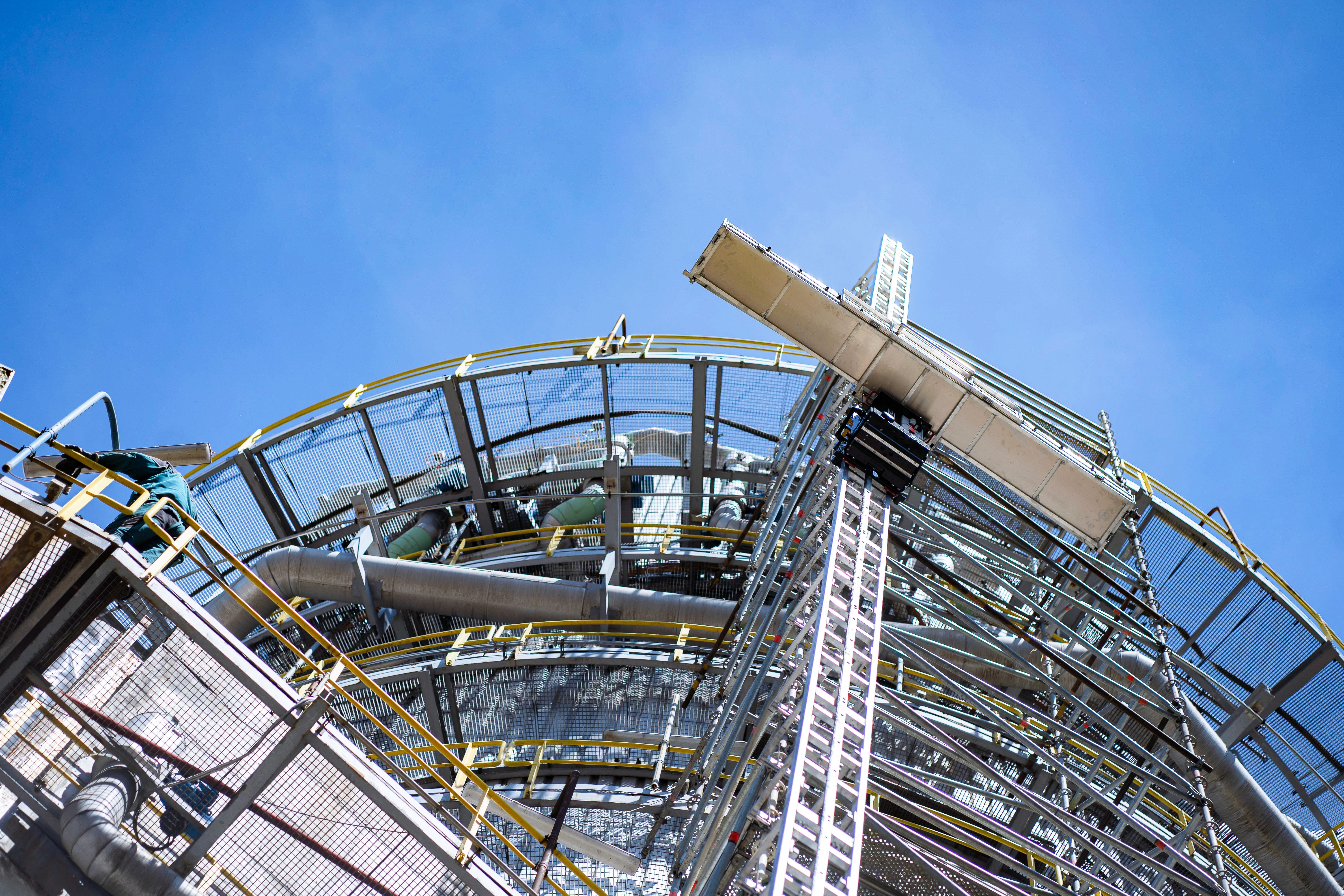
A key theme of the discussion was the industry’s long-standing reliance on cranes for material handling inside operational plants. Data from the Benelux region over the past 5 years shows that many fatal incidents in chemical and petrochemical facilities were linked not to nuclear operations, but to crane-related activities.
“Introducing a crane into an operating industrial plant inherently increases risk,” Breyne explained. “That doesn’t mean cranes are unnecessary. but where safer alternatives exist, we should actively consider them. In many cases, these alternatives are not only safer, but also more cost-effective.”
This perspective reflects a broader reassessment within the sector, where safety performance and operational efficiency are increasingly evaluated together rather than in isolation.
From working hours to exposure reduction
Asset owners are also changing how they measure performance. Rather than focusing solely on total working hours, many now track P-live hours, the time during which workers are actively exposed to operational risk.
“As service and technology providers, our responsibility is to minimise exposure time,” said Breyne. “If we can reduce those hours, it’s a win for everyone involved, from operators and contractors to asset owners.”
Reducing exposure time has direct implications for safety outcomes, workforce wellbeing, insurance costs, and overall site productivity.
Automation as an operational standard
The discussion underscored a broader industry shift: automation and robotics are no longer viewed as optional innovations, but as tools that must align closely with real operational rhythms on site.
As labour constraints persist and safety standards continue to rise, technologies that demonstrably reduce risk, improve efficiency, and integrate seamlessly into daily operations are becoming central to modern industrial maintenance strategies.
The message from industry leaders is clear. The future of maintenance will be defined not by how advanced a technology is, but by how effectively it improves safety, supports the workforce, and delivers tangible operational value.