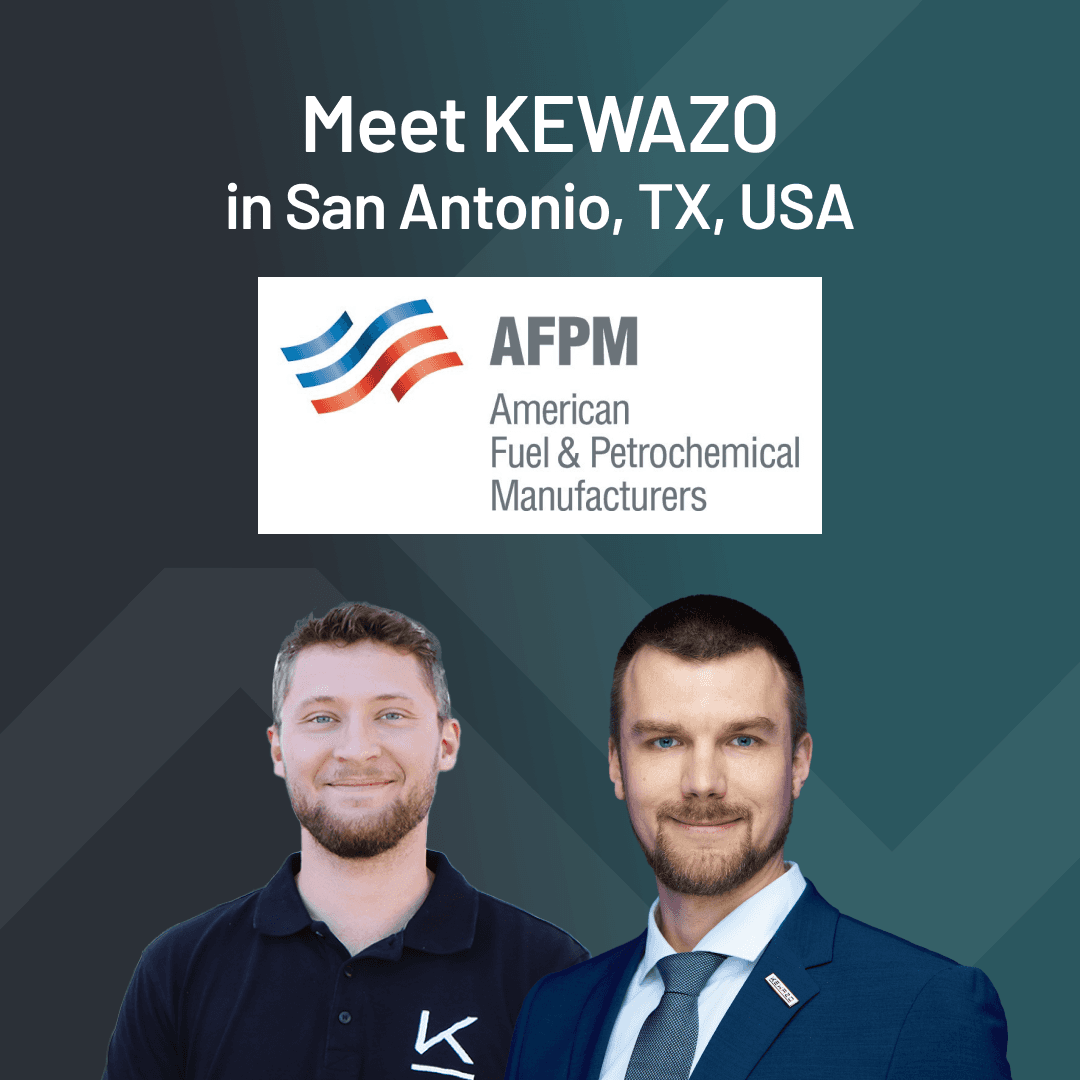
KEWAZO at the 2026 AFPM National Occupational & Process Safety Conference
Three of OSHA's top ten most cited workplace standards in 2024 are about height and scaffold work. Fall Protection sits at number one, Fall Protection Training at number seven, and Scaffolding for the Construction Industry at number eight. The list barely shifts from year to year. Falls and scaffolding violations remain among the most common ways a refinery or petrochemical worker gets hurt on the job, and they sit at the center of the risk register that every site safety plan is built to manage.
That ranking is the reason for the conversation happening this week at the AFPM 2026 National Occupational & Process Safety Conference (NSC26) in San Antonio, Texas. The conference runs Tuesday May 5 to Thursday May 7. AFPM, the American Fuel & Petrochemical Manufacturers, is the trade association that represents U.S. refiners and petrochemical operators. NSC26 is its dedicated safety event for the year, and it gathers the people whose names appear on the incident reports: process-safety engineers, facility HSE managers, corporate safety leaders, and the contractor safety personnel who run the day-to-day on turnaround sites.
The format is straightforward. Multi-track expert presentations across all three days, a tabletop exhibition on Tuesday and Wednesday at the Grand Hyatt, regional safety network meetings, committee sessions, and the kind of sidebar conversations that produce most of the value at any industry event of this size.
Heitor Gartner, President of KEWAZO Inc., is on the ground in San Antonio for the conference. The U.S. business is based in Houston, which puts NSC26 firmly inside the home market for KEWAZO's North American customer base.
How LIFTBOT reduces scaffold-related risk
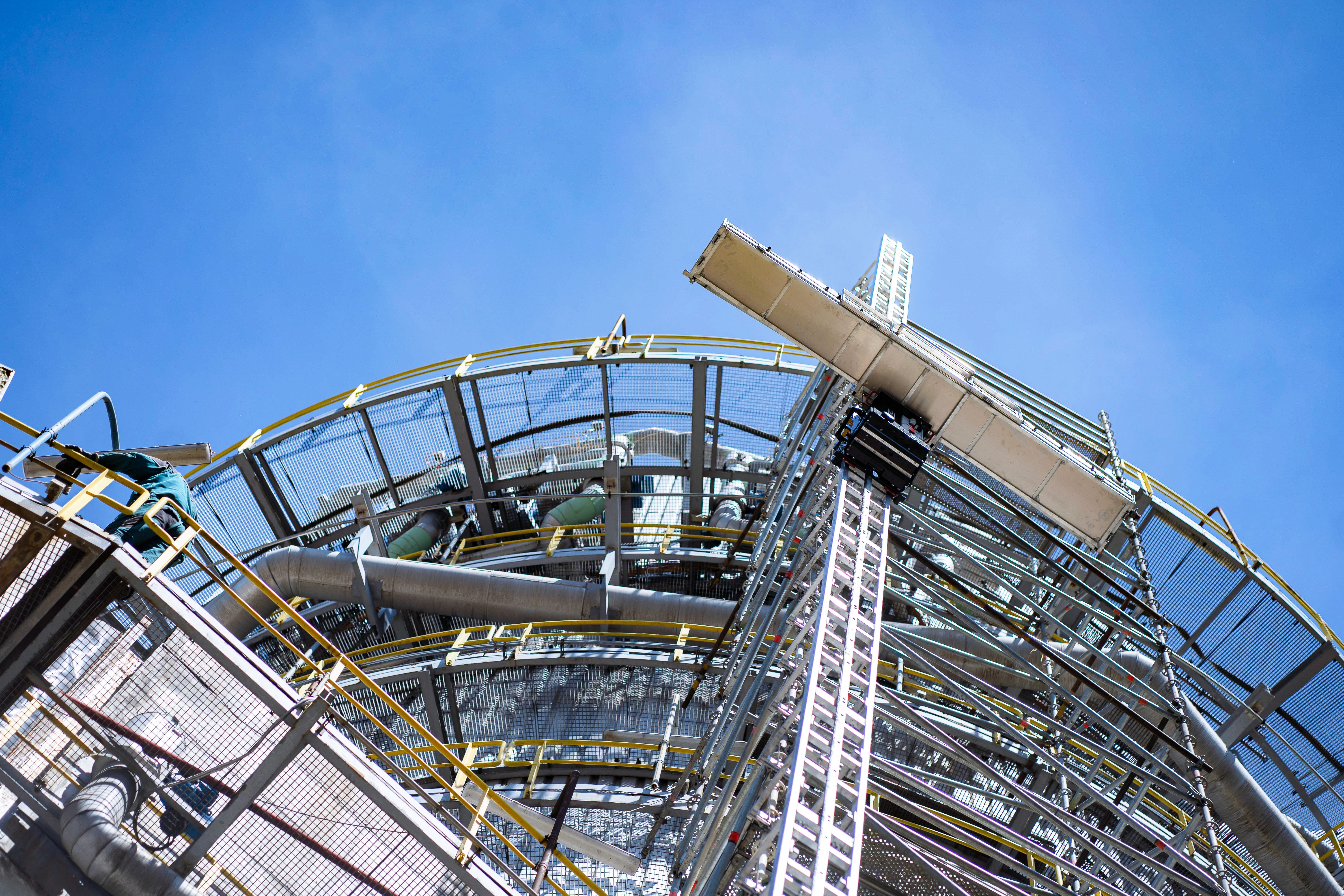
LIFTBOT is a battery-powered robotic lifting system that moves scaffolding material vertically along the structure being built or dismantled. For a refinery HSE team, the relevant question is what that does to the categories on their incident report. Three answers, each one mapping to a different kind of incident the AFPM audience tracks every week.
The first is fewer people on the structure. With LIFTBOT carrying material to the platform, fewer crew members need to be at height at any given moment. Smaller working crews mean fewer workers exposed to fall risk, fewer workers on the platform if something goes wrong, and a smaller exposure surface across the duration of the job.
The second is less manual material handling. Traditional scaffold builds rely on workers carrying tubes, fittings, and boards by hand, often up many levels of structure. That work drives the soft-tissue injuries, the back claims, and the strain incidents that may not show up in fall statistics but show up clearly in workers' compensation reports. LIFTBOT does the vertical movement on its own. The crew handles assembly at the platform; the robot handles the carry.
The third is cumulative exposure. A six-person crew working with LIFTBOT typically completes the same scope a ten-person crew used to handle. Less time on platform per worker means less of the fatigue that drives slips and trips on long turnaround days, less of the heat-stress exposure during summer turnarounds on the Gulf Coast, and less of the lost-focus moments that sit underneath a lot of incident reports.
LIFTBOT is operational in about 20 minutes from arrival on site. It does not require a separate crane, a separate fuel supply, or a separate certified operator. The crew that builds the scaffold operates LIFTBOT directly, which keeps adoption inside the existing safety briefing the contractor already runs instead of stacking another permit, another piece of certified equipment, and another set of competencies on top of the work.
Why this conference fits KEWAZO
KEWAZO's customer base is concentrated in exactly the audience NSC26 brings together. The active deployments are at refineries, petrochemical complexes, and chemical plants in North America and Europe, on turnaround and capital project work. The teams making the call to bring LIFTBOT onto a site are the same teams that fill the seats at AFPM safety events: HSE managers, contractor safety leads, and the corporate engineers who own the facility-wide risk register.
The published deployment data is concrete. The Nobian site in the Netherlands ran a 30-meter chimney scaffold with 75% fewer crew on the structure than the comparable manual job would have required, which translates directly into 75% fewer worker-hours of height exposure on that scope. BASF Ludwigshafen cut man-hours on a tower disassembly by 30%, which is 30% less time spent at height for the crew that did the work. The Industrial site overview lists more across refineries and petrochemical plants where LIFTBOT has been deployed.
If you are at NSC26 this week and want to walk through how the safety case looks on a site you know, Heitor will be at the exhibition both days. If you are not in San Antonio but the question still applies, the contact page is the fastest way to set up a follow-up call.